Speed of Light vs. Speed of Electrons
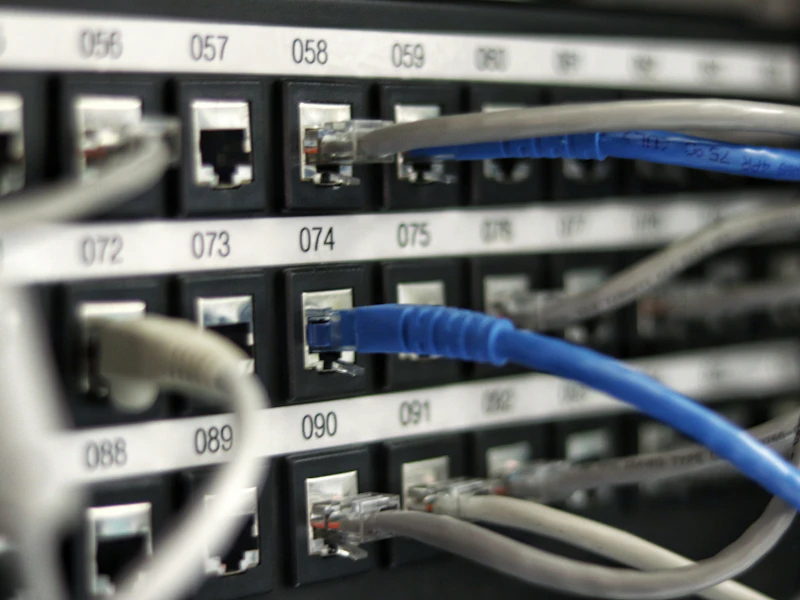
Traditional cables transmit data via electrical signals limited by copper’s physical resistance. Fiber optic cables operate differently. Light signals can travel for miles with almost zero loss in quality through glass strands. Fiber achieves speeds exceeding 1 Gbps consistently, while copper typically maxes out between 100–300 Mbps.
Symmetrical Speeds
Copper connections typically show asymmetric performance, prioritizing downloads over uploads. Fiber provides matching speeds in both directions, benefiting video conferencing, gaming, and cloud file transfers.
Distance Without Degradation
Copper suffers from attenuation: signals weaken over distance. Users far from provider infrastructure experience reduced speeds. Fiber maintains consistent performance regardless of distance from the source.
Total Immunity to Interference
Copper cables pick up electromagnetic noise from power lines and appliances. Glass fiber, lacking electrical conductivity, remains unaffected by interference sources.
Reliability and Durability
Despite glass’s fragility reputation, fiber optic strands outperform copper in durability, handling tension better and resisting corrosion and moisture damage.